Albany, GA · Dougherty County
Emergency Plumber in Albany, GA: Leaks, Backups and Dead Water Heaters
Water where it should not be, a drain that will not clear, a heater that has quit: call the dispatch line and describe what is happening. It is open 24/7, and it routes your call to a plumber serving your part of Albany.
Does this need a call right now, or can it wait until morning?
At 11 p.m. every plumbing problem feels urgent. A few really are. Sorting yours takes about a minute, and the answer decides whether you pick up the phone now or book a visit for tomorrow.
Call now
- Water is spraying or pouring and the shutoff will not stop it.
- Sewage is coming up through a floor drain, tub or toilet, especially in more than one fixture.
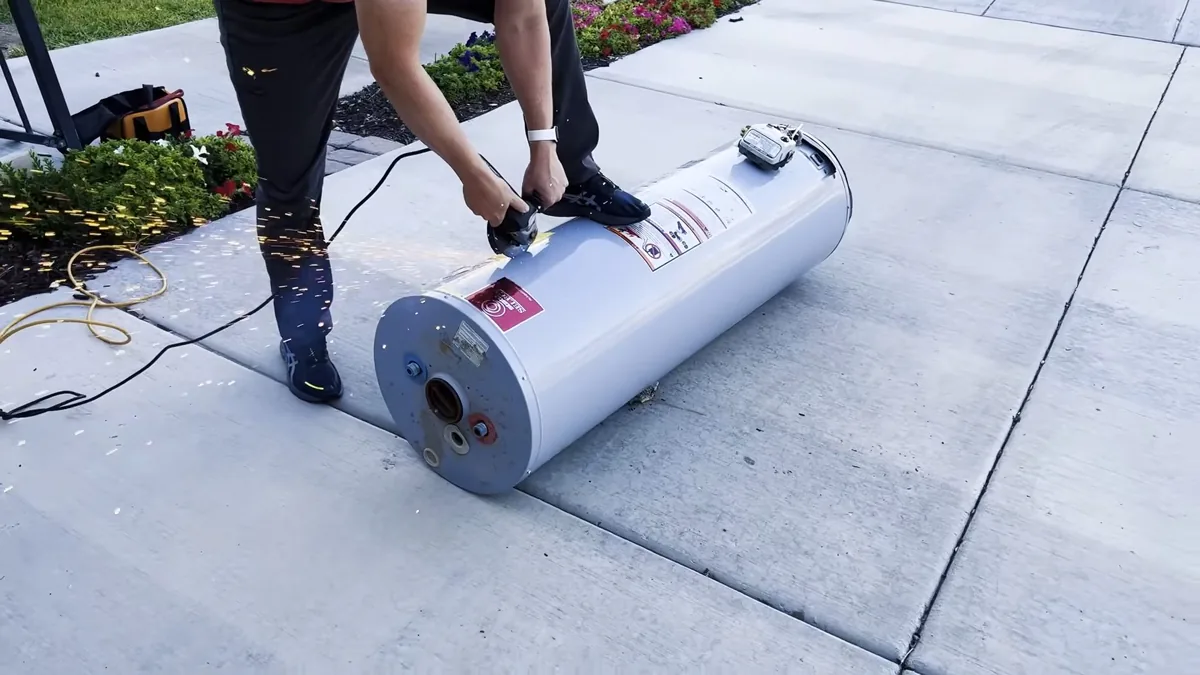
- A water heater tank is leaking from its body, not just from a pipe fitting.
- A pipe has split after a freeze, or is dripping steadily as it thaws.
- Water is spreading toward outlets, appliances or the electrical panel.
Usually safe to book for tomorrow
- One slow sink or tub with no backup anywhere else, which is a drain cleaning job, not a midnight one.
- A faucet drip or a running toilet that you can stop at its own stop valve.
- A water heater that is noisy but still delivers hot water.
- A water bill that jumped with no visible leak, which calls for finding the hidden leak rather than a night visit.
A gas smell is a different category. Leave the building, do not switch anything on or off, call 911, and then notify the gas department at City of Albany Utilities. Do not look for the source yourself.
If you cannot tell which list you are on, call and describe what you see. The dispatcher can help you sort it out and send the call to a plumber serving your area.
The first ten minutes: shut it off, photograph it, then call
Before the plumber arrives, a few safe steps limit the damage. None of them involves opening a wall, touching a gas line or working near electricity.
- Close the main shutoff. Find the valve where the water line enters the house. The spot varies, so check a utility closet, the garage, the area near the water heater and exterior walls. Turn it clockwise, or a quarter turn for a lever handle. If it will not move, stop: forcing an old valve can snap the pipe.
- Try the fixture valve first. For a leak at one sink, toilet or appliance, close the small stop valve on its supply line and leave the rest of the house running.
- Leave the street meter alone. If the only shutoff you can find is the one at the meter, do not pry the meter box open. The city handles meters, so say so when you call.
- Photograph before you clean. Take photos or a short video of the water, its source and what it reached before you move anything. Your plumber and, if you file a claim, your insurer will want them.
- Stay out of wet electrical areas. If water is touching outlets, appliances or the panel, keep everyone out of the room. Call 911 if you see sparking or smell burning. This is not a household fix.
If water has already soaked floors or walls, water removal and drying is a separate job from the plumbing repair, and it is worth asking about the same day.
City line or house line: who handles what?
City of Albany Utilities runs water, sewer, gas and electric for the city, so the right first call depends on where the problem sits.
| What you see | Who to call first | What to tell them |
|---|---|---|
| No water on the street, or a leak at the meter | City of Albany Utilities, 229-883-8330 | Your address and what you see at the meter box. |
| Sewage backing up into the house | City Sewer Division, 229-302-1800 (an on-call technician answers after hours), plus the dispatch line for the pipes inside | Which fixtures are backing up, and whether a neighbor has the same problem. |
| A leak or clog inside the house | The dispatch line, (229) 367-1193 | What is wet or blocked, and what you have already shut off. |
| A gas smell | 911 first, then the gas department at City of Albany Utilities | Leave the building first and report from outside. |
One question the city pages do not answer is who owns the sewer lateral, the pipe between your house and the main under the street. We could not find it stated, so we will not guess. Ask the Sewer Division, and have your plumber run a camera down the line and note where the blockage or break sits, so you have it in writing.
If the camera shows a break, sewer line repair is the next conversation. Georgia 811 asks for a call at least three business days before anyone digs, with hand digging within 18 inches of marked lines, so ask who is making that call.
Call and describe it. The line is open 24/7.
Find the plumbing problem you have
Each page below starts from the symptom you are looking at. Pick the one that matches.
Drain Cleaning
Slow sinks, backed-up tubs and drains that clog again within weeks.
Water Heater Repair
No hot water, lukewarm water, leaks at the fittings or noise from the tank.
Leak Detection
A water bill that jumped, a meter that keeps moving or damp spots with no obvious source.
Burst Pipe Repair
Split or frozen pipes, and what to do while you wait.
Sewer Line Repair
Backups in several fixtures, gurgling drains and wet ground over the line.
Water Damage Restoration
Water removal and drying after a leak, a burst pipe or a storm.
Water Heater Installation
Replacing a tank heater, including the city permit question.
Tankless Water Heaters
Whether an on-demand heater fits your home and its fuel supply.
Hydro Jetting
High-pressure water cleaning for lines that keep filling with grease and buildup.
Slab Leak Repair
Warm floor spots or running-water sounds when everything is off, if your home is on a slab.
Garbage Disposal Repair
Humming, jamming, leaking or a unit that will not run.
Faucet & Sink Repair
Drips, weak flow and leaks under the sink.
Toilet Repair
Running, weak flushes, rocking bases and leaks at the floor.
Trenchless Sewer Repair
Lining or pipe bursting to fix a sewer line without trenching the yard.
Repiping
Repeated leaks in older supply lines and what replacement involves.
Water Softeners
Scale on fixtures and heaters, and whether a softener is worth it.
What Albany freezes, floods and older homes do to pipes
Albany is far enough south that a hard freeze feels rare, which is why it catches pipes. In January 2024, Albany Utilities advised residents to let both hot and cold lines run, keep the thermostat at 50 when away and have someone check the house. In January 2025 the forecast low of 12 degrees was set to tie the city's record from 1985, according to WALB.
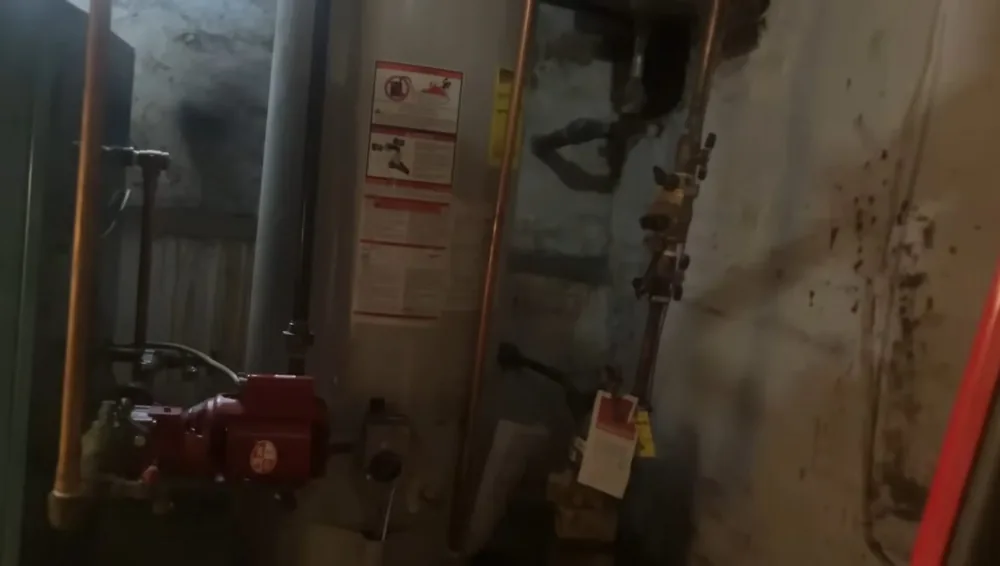
In early February 2026 a South Georgia plumber reported two to seven calls a day for frozen or leaking pipes, blamed mostly on poor insulation, including a pipe frozen in a shed that housed a water heater.
The action is plain, and it comes first: wrap exposed pipes in sheds, garages and other unheated spaces before the forecast turns, and know where your shutoff is. If one splits anyway, burst pipe repair explains what the visit involves.
The Flint River crested at 43 feet on July 11, 1994, after Tropical Storm Alberto, well above the 37.8 feet recorded in 1925, as the Albany Herald later recounted. If your property sits low and took water then, or takes it after a heavy storm, ask the plumber about drying and a sewer line inspection afterward, and do not assume the damage stopped at the baseboard.
Albany is humid and wet. NOAA's 1991 to 2020 normals put the year at about 52.5 inches of rain, with June, July and August each running between roughly 5 and 6 inches, much of it in hard afternoon storms. Soaked ground puts weight on buried drain lines and any joint that has already shifted, so slow drains, gurgling after a storm and wet patches over a line are worth a camera inspection once the rain stops.
Housing here skews older. The 2019 to 2023 American Community Survey, as reproduced by Point2Homes, puts the median year built at 1974, with 52.4 percent of homes built between 1950 and 1979. We found no source on which pipe materials those houses carry, so we do not guess by street. What the age does tell you is that a house with repeated leaks, or drains that clog again and again, deserves a camera look at the lines and a straight answer about repiping the supply lines before a third patch.
The Dougherty Plain is karst terrain, according to the USGS, with the Upper Floridan aquifer under 20 to 80 feet of overburden.
The city closed Hilsman Park over a sinkhole on June 11, 2026, and announced the closure of W. 2nd Avenue at N. Cleveland Street after a sewer collapse in December 2025. Neither notice states a cause. A new wet spot or sunken patch near a water or sewer line is worth a camera inspection, and a call to the city if it sits in the public right of way. Our page on leak detection in Albany covers what to ask for.
Water heater replacement and the Albany permit
The City of Albany issues plumbing permits through Development Services, at 240 Pine Avenue, Suite 300, (229) 438-3901. Its February 2026 list of issued permits includes residential plumbing permits for water heater replacements, among them a 50 gallon electric unit replaced like for like. Inspections are by appointment and the applicant has to arrange them. A permit that goes six months without an inspection turns void, and reactivating it means paying the full fee again.
So before you book a water heater replacement, ask who pulls the permit and who schedules the inspection. Georgia adopted the 2024 International Plumbing Code with Georgia amendments effective January 1, 2026, according to the city. Whether every small repair needs a permit is not settled on any city page we found, so ask the city or the plumber for anything borderline.
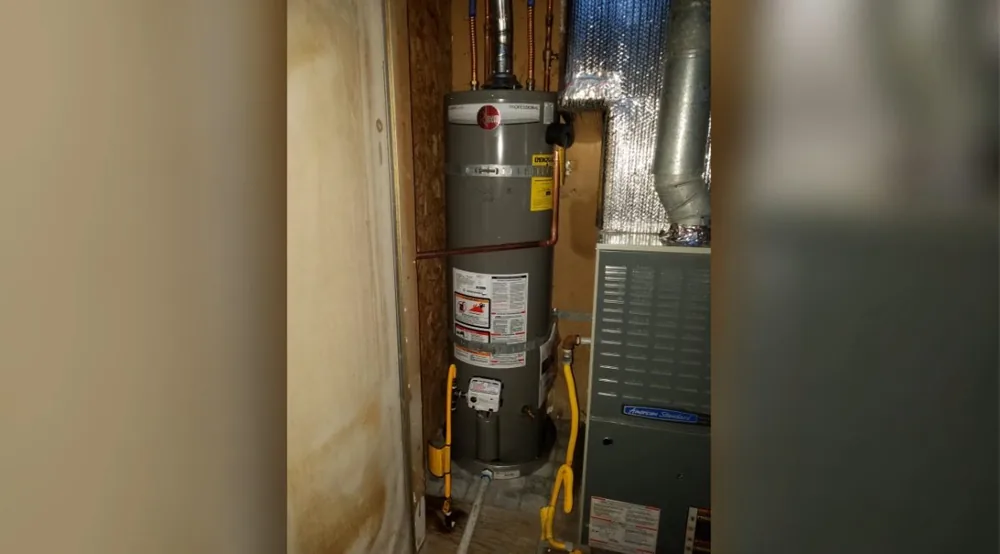
If the heater still makes hot water, the first question is whether repairing the heater you have makes sense. If you are replacing it anyway, it is the moment to ask whether a tankless unit suits the house. Ask for the reasoning in writing either way, and read the page on how plumbing costs are quoted before you compare numbers.
Renting in Albany? Tell your landlord before you book
About 62 percent of occupied homes in Albany are renter-occupied, according to the same survey data. If you are a tenant, tell the landlord or property manager as soon as water is involved, take photos, and ask who authorizes the repair and who pays before a plumber starts. Leases differ and we cannot tell you what yours says.
If a landlord asks you to arrange the call, the dispatch line works the same for you. Give the address, say what you can see, and mention that you rent so the plumber knows to expect someone else to approve the work.
Checking a plumber's credentials with the state
Georgia licenses plumbers through the Secretary of State's plumbers division. The license classes are Journeyman, Class I Master and Class II Master, and only licensed Master Plumbers may have a business. Class I work is limited to single-family homes and one-level dwellings for no more than two families, plus commercial buildings up to 10,000 square feet. Class II has no restriction.
Ask the plumber for the license class and the name it is held under, then look it up in the division's licensee search at goals.sos.ga.gov before work begins. If the answer is slow or vague, that tells you something too.
Which Albany ZIP codes can we send a plumber to?
These ZIP codes are covered by the dispatch line today:
- 31701
- 31705
- 31706
- 31707
The neighborhood pages describe plumbing in Rawson Park, around Merry Acres, in Doublegate, Radium Springs, Avondale and Avalon. Guides for Putney and Leesburg explain how to confirm coverage by address. The full list of places we serve sits on the service areas page.
Downtown Albany sits in ZIP 31701, home to the Flint RiverQuarium at 117 Pine Avenue and Ray Charles Plaza at 916 Front Street, while the Albany Museum of Art at 311 Meadowlark Drive is in 31707. If you are near any of them, you are inside a ZIP the dispatch line covers.
Not sure you are in range? Call (229) 367-1193 with your ZIP code, and the dispatcher will confirm your address.
Plumbing trouble in Albany tonight? Call the line
Describe what you see, give the address, and the dispatch line routes your call to a plumber serving your area.